Rust solo survival in 2026 when you build a base right next to Oil Rig
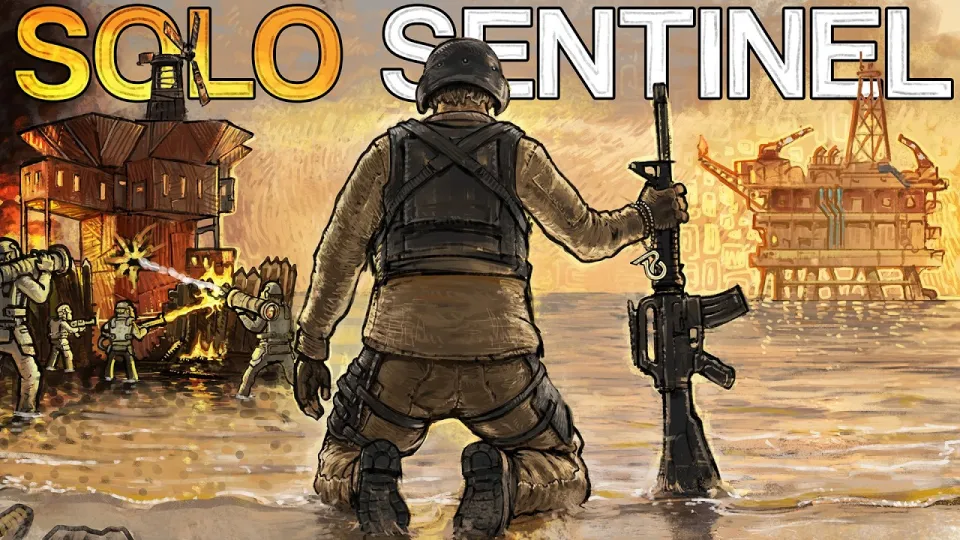
Video: The Solo Sentinel - Rust
You can order the same kind of articles for your own video to boost it on YouTube and Google. Just message the Telegram bot @sat_sit_bot. The bot writes and publishes the articles itself (with your YouTube video embedded) on popular topical websites (no ads). Your first 50 articles are free.
· based on the channel Blooprint
Rust solo survival works best when you pick one high-value location and make it yours for the whole wipe. The Solo Sentinel is Blooprint's answer to that problem: a solo player who builds a base directly next to Oil Rig, defends it alone against groups, and turns a contested Monument into a personal loot pipeline. If you want to watch the run live, the Blooprint Twitch channel is where the full streams and the unedited versions of these wipes land first.
Why a base next to Oil Rig changes the solo Rust experience
Building beside Oil Rig compresses the entire Rust loop into a few hundred meters. Instead of farming for a boat, crossing open water and gambling on a Monument run, a solo who lives next door can be on the rig in under a minute, and can retreat to a bed and a locked box just as fast.
The trade-off is visibility. Any base within sight of Oil Rig is also within sight of every group that wants the rig, so the spot guarantees attention. That pressure is exactly what makes the format work: the base stops being a storage container and becomes the main character, with the owner constantly upgrading walls, adding turrets and re-sealing loot rooms between runs.
A solo in this position has three practical advantages:
- Short supply lines. Loot goes home immediately; nothing valuable sits in a boat or a backpack on open water.
- Repeatable Monument access. Oil Rig respawns its crates, so the same route can be farmed again and again with a known risk level.
- Defender's advantage. Attackers must cross water, climb ladders and break through layers while the defender respawns inside with full knowledge of the layout.
How a solo snowball actually starts on wipe day
The first hour decides whether the Oil Rig base is even possible. A solo snowball in Rust is not about winning every fight; it is about converting one good fight into gear that can win the next one. A primitive kill on the beach gives a bow, a bow gives a revolver, a revolver gives a kit, and the kit is what lets you contest a Monument.
The common failure is over-extending after a good pull. A solo who loots a full kit and immediately runs at a group usually loses everything in one fight and restarts from zero. The more reliable pattern is to bank the win, upgrade the base, and only then push the next tier of gear. That is also why so many viewers prefer solo videos to group content: the progression is visible, earned step by step, and the setbacks are real.
Defending a solo base against groups in Rust
A solo base survives on preparation, not on aim. The defender has to assume that any raid will arrive with more rockets, more players and more time than expected.
- Turrets cover the angles a solo cannot watch. Placing them on the water-facing side and on the roof catches players approaching from the direction the rig traffic comes from.
- Seal every loot room. The old rule of sealing materials in every room exists because a single unsealed compartment hands the attackers everything they came for.
- Layer doors instead of widening. Extra doors and garage doors slow a raid far more than an extra wall thickness in one spot.
- Keep an escape kit. A hidden bed, a stash with a weapon and a small backup base turn a lost raid into a counter-raid instead of a wipe reset.
Blooprint's builds follow this logic: the base is compact, the loot is split, and the turret coverage is planned before the first metal is smelted. Viewers regularly copy the layout on their own servers, and the most common feedback is that attackers panic when the defender appears from the water side rather than the front door.
Raids at 3 AM and other realities of solo life
Solo players do not get to log off. A group that decides to send rockets at three in the morning will find the base whether the owner is online or not, and a solo who is mid-upgrade at that hour is both the most vulnerable and the most likely to be awake anyway.
This is where the narrative of solo Rust pulls ahead of group content. In a team, the comms carry the story; in a solo video, the player narrates every decision, so the viewer hears the reasoning behind a turret placement, a craft, or a decision to abandon a fight. That play-by-play is the actual product, and it is why solo uploads tend to attract the most engaged audiences.
Typical questions from solo Rust players
Is a base next to Oil Rig viable without a team? Yes, if it is built for defense rather than storage. Compact footprints, multiple sealed rooms and turret coverage matter more than square footage, because the solo cannot be everywhere at once.
What gear do you need before contesting the rig? A reliable mid-tier kit and a way home are enough; the rig rewards positioning and timing more than raw firepower. Going in with nothing but a bow is a gamble, not a strategy.
How do you deal with groups that camp the Monument? Farm on a schedule they do not expect, use the water approach, and treat every run as a quick in-and-out rather than a full clear. If a group is holding the rig, the crates will still be there later.
Why do solo videos feel different from group videos? Because every line of commentary is directed at the viewer. There are no private comms to hide the thought process, so the strategy, the mistakes and the recoveries are all visible.
Where to find Blooprint's Rust content
All of Blooprint's platforms, including the live streams behind this wipe and the shorter clips:
- Twitch: https://www.twitch.tv/blooprint
- Kick: https://kick.com/blooprint
- TikTok: https://www.tiktok.com/@blooprintgames
- Twitter: https://twitter.com/blooprintgames
- Discord: https://discord.gg/blooprint
Final thoughts on the solo sentinel approach
The Solo Sentinel is a reminder that Rust solo play is a defensive discipline as much as an offensive one: pick ground worth holding, build it so that one player can hold it, and treat every fight as a step toward the next upgrade. Blooprint's breakdown of the wipe shows the full arc, from a snowball start to turret-covered walls and late-night rocket raids, and it makes a strong case that solo content is where the game's tension lives. If you want to see the next wipe unfold live, follow the Blooprint Twitch stream and catch the runs as they happen.
Key takeaways
- Blooprint's solo run is built around a base placed directly next to Oil Rig, so every Monument run starts from his own front door.
- Solo content means all commentary is aimed at the viewer: the full thought process behind every craft, upgrade and rotation is spoken out loud.
- Base defense relies on turrets, sealed loot rooms and layered doors rather than on teammates, because there is no one to cover a flank.
- The wipe-day snowball matters more than a lucky start: a solo who converts an early kill into gear can contest Oil Rig within the first hour.
- Late-night raids are a constant threat; a group sending rockets at 3 AM is a normal Tuesday for a solo holding a prime spot.
Questions & answers
Why do so many Rust viewers prefer solo videos over group content?
In a solo video every line of commentary is aimed at the viewer, so the full thought process behind each craft, rotation and fight is spoken out loud. Group videos lose that because the player is talking to teammates instead of the audience. Solo runs also show visible progression and real setbacks, which makes the story easier to follow.
Can one player really hold a base right next to Oil Rig?
Yes, but only with a base designed for it. The defender needs turrets covering the water approach, several sealed loot rooms and layered doors, plus a hidden respawn point and a backup kit. Compact, well-covered builds survive far better than large ones that a single player cannot watch.
What is the fastest way for a solo to snowball on wipe day?
Convert one fight at a time instead of chasing every engagement. A primitive kill gives a bow, the bow gives a firearm, and that firearm unlocks a Monument run. Banking each win into base upgrades before pushing for better gear prevents the classic solo mistake of losing a full kit in a single overconfident fight.
How should a solo react to a group sending rockets late at night?
Assume the raid is coming with more resources than expected and defend from inside the layers rather than meeting them in the open. Turrets and sealed rooms buy time, and a hidden bed with a stashed kit lets the defender counter-raid afterward. Logging off with unsealed loot is the real mistake.
Source: The Solo Sentinel - Rust · Markdown version